
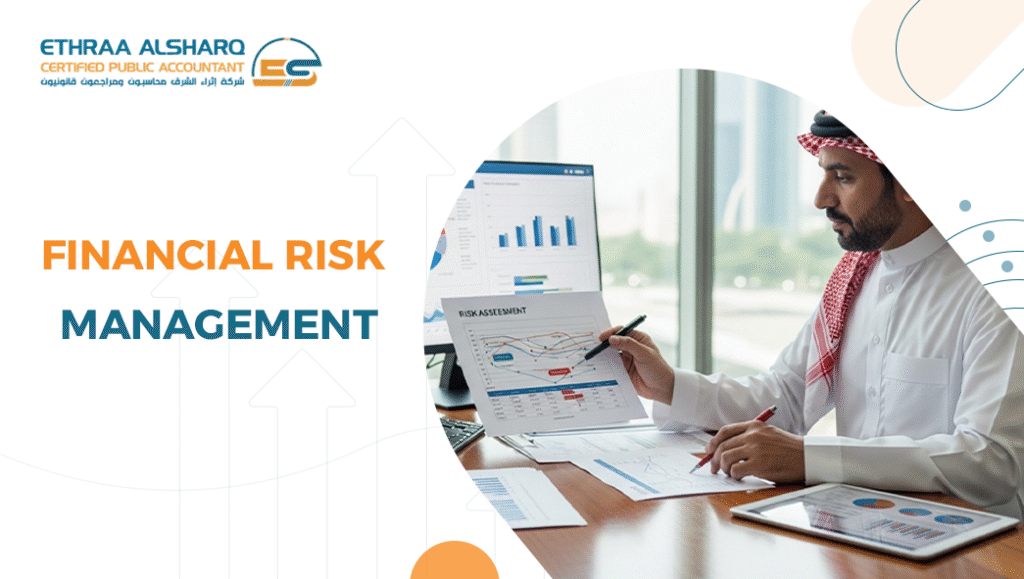
The true strength of any company is measured by its ability to manage financial risks, protect its resources, and respond intelligently to potential challenges.
Through accurate financial analysis and forecasting future risks, companies can make informed decisions that protect them from losses and open new opportunities for growth.
Financial risk management is not merely an accounting procedure—it is a strategic approach that determines whether a company advances or stumbles. This is where the role of a certified accounting firm becomes essential. Such firms provide practical solutions that enhance financial compliance, improve liquidity, and empower companies to face crises with confidence while maintaining long-term stability and success.
Given its growing importance in today’s business environment, understanding financial risk management is the first step toward applying it effectively and maximizing its benefits.
What Is Financial Risk Management?
Financial risk management is a systematic process aimed at identifying, analyzing, and addressing potential financial threats that may impact a company’s stability and assets.
This process involves designing and implementing effective strategies to minimize or avoid risks, ensuring optimal use of resources and achieving a sustainable balance between returns and risk.
Financial risk management is not limited to monitoring numbers or financial indicators; it also involves studying economic variables and analyzing future scenarios related to investment and financing decisions.
Smart risk management is not only a preventive measure—it is a strategic vision that protects investments and enables companies to grow with confidence and long-term resilience.
The Importance of Financial Risk Management
Financial risk management plays a vital role in protecting companies from unexpected losses and ensuring long-term financial stability. It helps organizations:
-
Make financial decisions based on accurate data, reducing the likelihood of errors that impact performance.
-
Maintain liquidity stability and avoid difficulties in meeting short- and long-term obligations.
-
Plan strategically for sustainable growth by reducing the effect of economic and operational risks.
-
Strengthen investor and partner confidence in the company’s ability to navigate financial challenges and market fluctuations.
Financial risk management, therefore, goes beyond internal control—it is a fundamental strategy for sustainable growth and turning financial challenges into real opportunities for success.
Types of Financial Risks Companies Face
Companies across all sectors are exposed to a variety of risks that may affect their performance and financial stability. The importance of financial risk management lies in identifying these risks and addressing them through strategic approaches that minimize their impact. Key types include:
Liquidity Risk
This occurs when a company struggles to provide sufficient cash to meet short-term obligations. Poor liquidity can disrupt operations and erode customer and investor confidence, making precise financial planning essential for maintaining cash flow stability.
Leverage (Debt) Risk
This risk arises when companies rely heavily on loans or external financing to boost returns. While leverage can increase profits, it may also lead to major losses if not managed wisely—especially during periods of economic volatility.
Market Risk
These risks stem from fluctuations in interest rates, currency exchange rates, or commodity prices, which can impact asset values or expected returns. Companies operating across multiple markets need strong hedging strategies to minimize the impact of market volatility.
Operational Risk
These risks relate to human error, weak internal systems, or technical failures that can result in financial losses or interruptions in daily operations. Successful companies depend on advanced internal controls and strong protective procedures to reduce operational risks.
With a clear understanding of these risk types, companies can adopt accurate financial assessment methods that help measure the magnitude of threats and make strategic decisions to mitigate them effectively.
Methods of Financial Risk Assessment
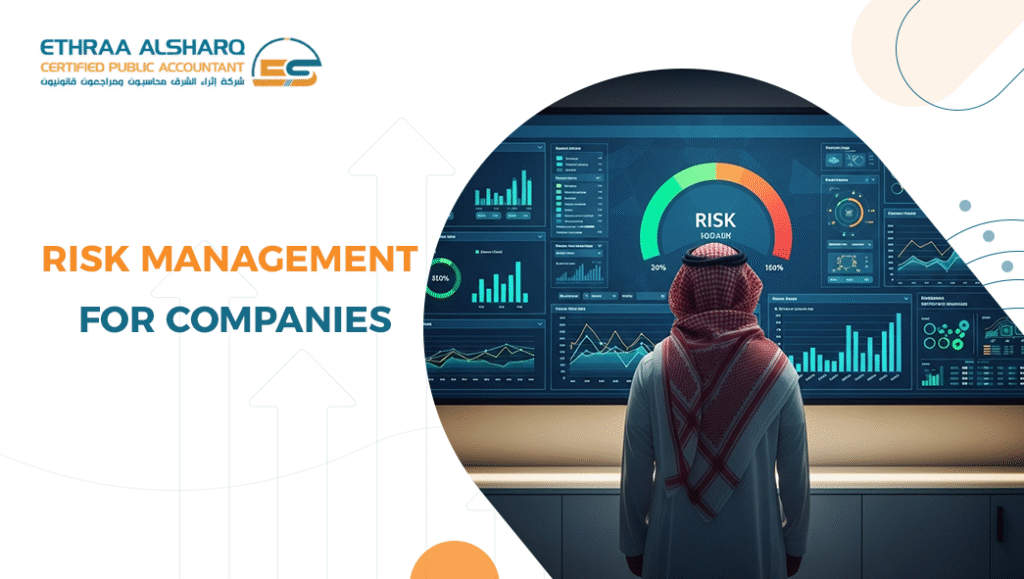
Financial risk assessment tools help companies understand the scale of potential threats and make informed decisions. These methods include:
Financial Analysis
A comprehensive study of performance—including profits, losses, and cash flows—to identify financial strengths and weaknesses.
Financial Forecasting
Predicting future outcomes using historical data and economic trends to prepare for market fluctuations and improve planning.
Risk Reporting
Structured reports that outline the nature and degree of risks, supporting better managerial decisions.
Liquidity and Leverage Measurement
Evaluating the company’s ability to meet obligations and maintain a healthy balance between equity and debt.
Using these methods collectively enables companies to transform potential risks into opportunities for growth.
Strategies for Managing and Reducing Financial Risks
Successful companies adopt a set of strategies to effectively manage financial risks, including:
Diversifying income and investment sources to minimize market volatility.
Establishing financial contingency plans to handle sudden challenges such as liquidity shortages or rising funding costs.
Strengthening internal controls and compliance to reduce operational and financial risks.
Using financial hedging tools such as futures and derivatives to mitigate market-related risks.
Engaging specialized accounting firms to provide advanced financial analysis, reporting, and strategic planning.
Role of Accounting Firms in Saudi Arabia in Financial Risk Management
Accounting firms in Saudi Arabia play a crucial role in helping companies manage financial risks by offering specialized services such as:
Detailed financial performance analysis
Risk forecasting
Strengthening compliance
Ensuring accurate reporting
Supporting strategic financial decision-making
These firms help organizations handle market challenges, manage liquidity, and maintain a sustainable balance between risk and return.
Services of Ethraa Al Sharq Office in Financial Risk Management
Ethraa Al Sharq Accountants & Auditors provides a comprehensive suite of services to support financial risk management in Saudi companies, including:
Financial auditing and assurance
Zakat, tax, and VAT compliance
Financial, accounting, and administrative consulting
Bookkeeping and financial reporting
Governance and compliance management
Payroll and benefits administration
Company liquidation and restructuring
Financial Fraud and Financial Risk Reporting
These services equip businesses with the tools they need to protect assets, reduce risks, and achieve stable and sustainable growth.
Conclusion
Financial risk management is not just a preventive action—it is a fundamental pillar of corporate stability, resource protection, and sustainable growth in a constantly evolving business environment.
By understanding risk types, analyzing them accurately, and implementing effective strategies, companies can transform potential threats into opportunities for expansion and success.
Specialized accounting firms such as Ethraa Al Sharq Accountants & Auditors play a critical role in enhancing compliance, improving financial decision-making, and supporting businesses with the expertise needed to navigate volatility confidently and strategically.
FAQs About Financial Risk Management
What is financial risk management?
It is a structured process aimed at identifying, analyzing, and addressing financial threats that may affect a company’s stability, with the goal of protecting assets and balancing risk and return.
Why is financial risk management important for companies?
Because it helps prevent unexpected losses, strengthens liquidity, supports data-driven decision-making, boosts investor confidence, and enables sustainable growth.
What are the main financial risks companies face?
They include liquidity risk, leverage risk, market fluctuations, and operational risks caused by errors or weak internal systems.
What methods are used to assess financial risks?
Key methods include financial analysis, forecasting future outcomes, preparing risk reports, and measuring liquidity and leverage.
How can companies reduce financial risks?
Through income diversification, crisis contingency planning, stronger internal controls, financial hedging tools, and working with specialized accounting firms.
What is the role of accounting firms in risk management?
They provide comprehensive financial analysis, risk reporting, strategic advisory services, and support with financial compliance and stability.
What services does Ethraa Al Sharq offer in this field?
Services include auditing, zakat and tax compliance, financial consulting, bookkeeping, governance and compliance management, payroll services, and specialized reports on financial and fraud risks.